
Think Twice About Your Hummingbird Feeder
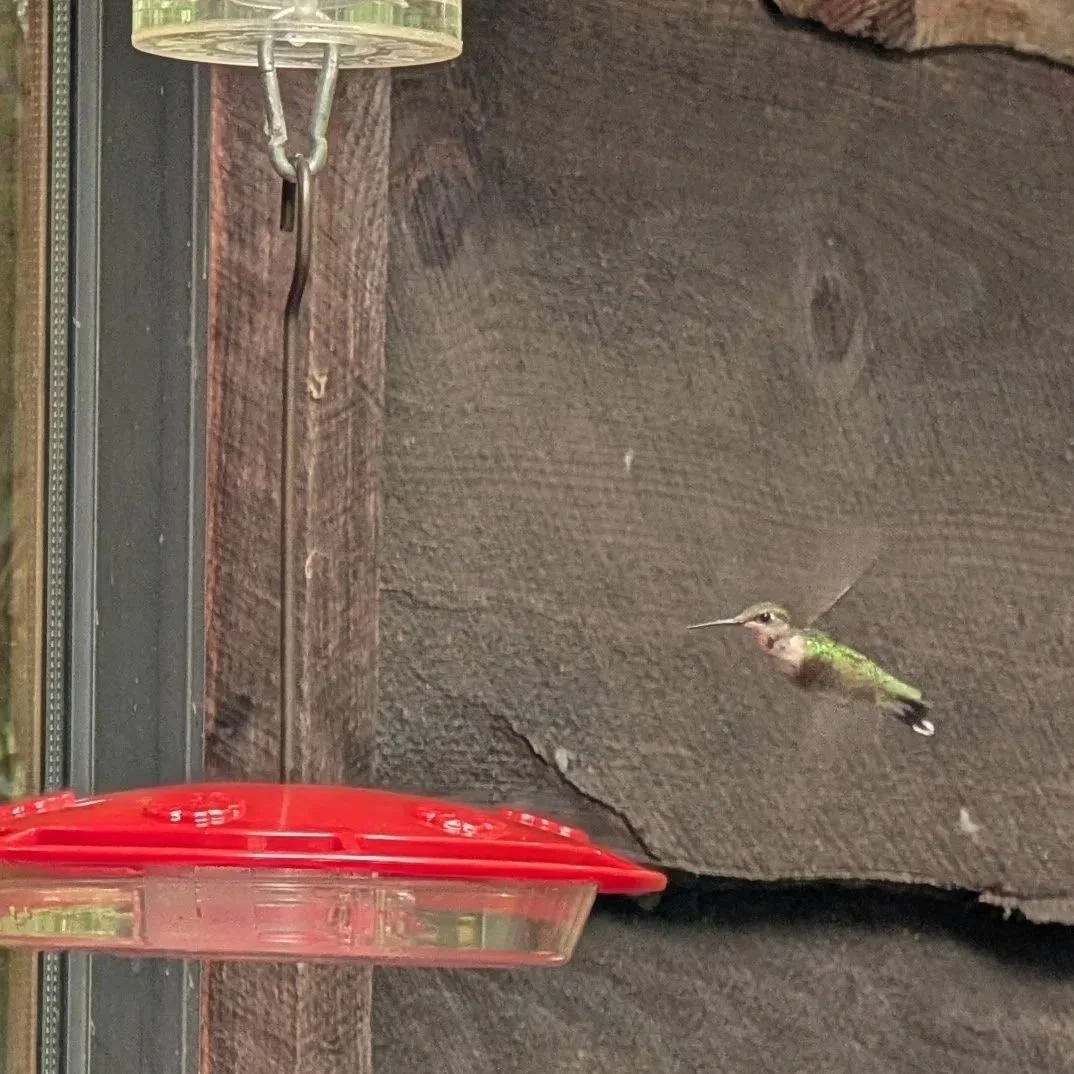
Hummingbird at feeder
Before you hang out your hummingbird feeder this summer, you may want to think again. While the beautiful birds are entertaining to watch, you could potentially be causing them more harm than good when placing your sugar water feeder out in the hot sun all day.
Terry W. Johnson, program manager of the Wildlife Resources Division for the State of Georgia questioned the safety of the feeders after watching hummingbirds feed on sugar water that had been left out in the heat. Johnson collaborated with bird enthusiasts in the area to inquire about the impact of hummingbird feeders, and whether feeding the birds is worth putting them at risk.
The team’s findings demonstrated that the feeders’ ultimate flaw is that they can reach high temperatures, which can harm hummingbirds for a plethora of reasons. Foremost, when hummingbirds consume nectar above a temperature of 102.2 degrees fahrenheit, their fragile metabolic systems are harmed, and the birds experience a burning sensation on their tongue. Additionally, hummingbird feeders were found to host four of their most commonly caught diseases: aspergillosis, candidiasis, avian poxvirus and salmonellosis - all of which the birds contract from mold and bacteria. These diseases attack a bird’s beak and tongue, which eventually leads to significant gastrointestinal problems.
On the bright side, there are methods bird lovers can use to attract hummingbirds in a safe and effective manner. A well-insulated feeder significantly reduces the sugar water’s temperature, minimizing any risk. To ensure your feeder doesn’t get too hot in the sun, you can invest in a glass reservoir, or simply line your feeder with aluminum foil, which blocks ultraviolet light and 98% of radiant energy. Additionally, you can prevent the feed from expiring by placing it in a shady area, or reducing the amount of feed to ensure there are no leftovers at the end of the day. You should also replace and wash the feeder daily when outside temperatures reach 90 degrees or more as an extra precaution.
Ultimately, the safest and most sustainable way to feed these beloved birds is with your landscaping. Planting a variety of flowers native to your area with a mix of early and late blooms will offer season-long support to not only hummingbirds, but to beneficial pollinators like butterflies and bees. Aim for big groups of flowering perennials with tubular blooms and bright colors (preferably reds, pinks, and oranges); Trumpet Honeysuckle (Lonicera sempervirens) and Bee Balm (Monarda didyma) are two great examples native to the New England region.
As you work on building your pollinator oasis this summer, do your local hummingbird population a favor by keeping that feeder cool and fresh!
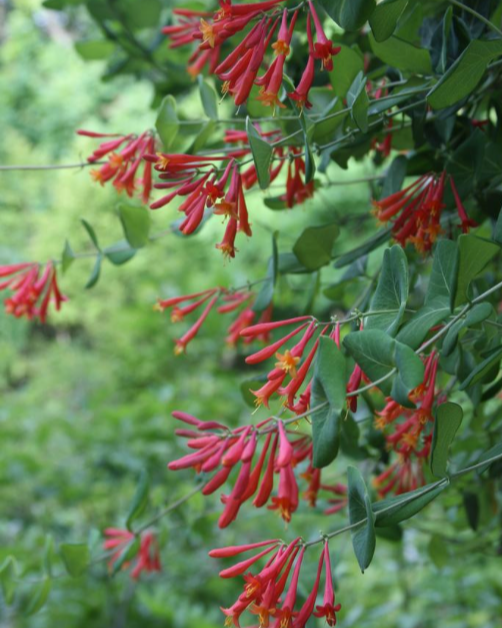
Trumpet honeysuckle, Lonicera sempervirens (Image courtesy of Native Plant Trust)
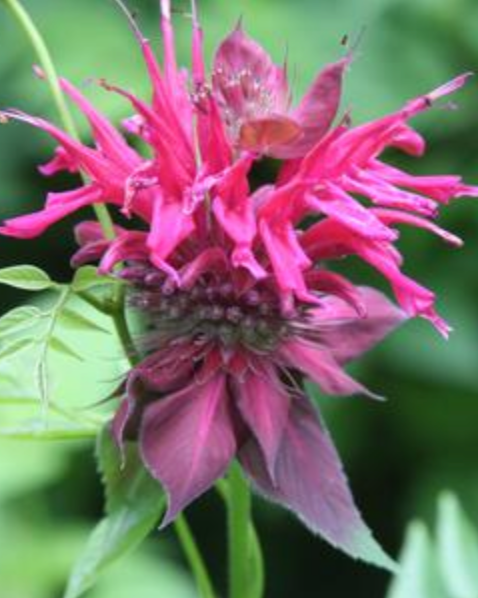
Bee Balm, Monarda didyma (Image courtesy of Native Plant Trust)
